
Reviews
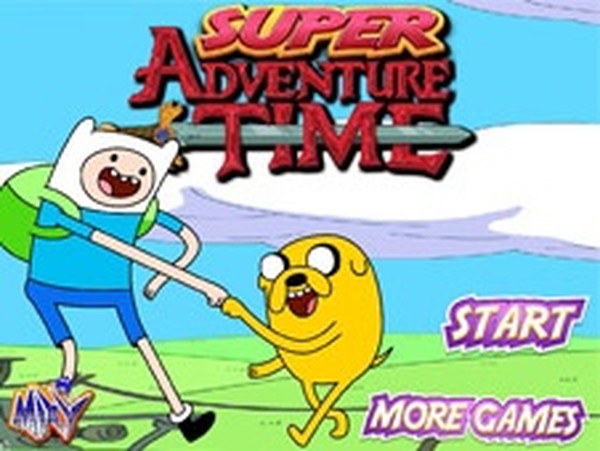
Finn and Jake Team Puzzle Platformer succeeds by making cooperation the core mechanic rather than an afterthought. Each level presents puzzles that genuinely require two minds working in sync. The distinct abilities of the two characters add strategic depth, and the gradual difficulty curve keeps both players engaged. Visuals are cheerful and clear, making it easy to read the environment. This is a standout cooperative experience for families or friends looking for a shared challenge that emphasizes problem-solving over competition.
Description
Core Cooperative Mechanics
This game is built around two players working together on the same screen. One player controls Finn, the other Jake, using separate keyboard inputs. The goal in each stage is to gather scattered fruits and return them to a central tree. Success depends on coordinating movements and actions. For example, one player might need to hold a switch while the other jumps across a gap. This design encourages constant communication and shared problem-solving.
Level Layout and Obstacles
Each level presents a unique arrangement of platforms, hazards, and puzzles. Obstacles include pools of hazardous liquid, deep water, crawling creatures, and bottomless pits. Some areas require precise jumping, while others demand that players take turns activating mechanisms. The difficulty increases gradually, introducing new challenges that test both individual skill and joint strategy. Players must learn to read the environment and plan their route together.
Character Roles and Abilities
Finn and Jake have distinct traits that affect gameplay. Finn is more agile and can jump higher, while Jake can stretch to reach distant platforms or glide over gaps. These differences mean that certain puzzles can only be solved by using the right character at the right moment. Players must decide who takes on which task based on the situation. This role differentiation adds depth to the cooperative experience.
Family-Friendly Design
The game is designed to be accessible to players of all ages. Visuals are bright and cartoon-like, with no graphic content. The puzzles are challenging but never frustrating, and the cooperative focus means that younger players can learn from more experienced partners. There is no competitive element, so the atmosphere remains positive and supportive. This makes it a great choice for siblings, friends, or parent-child gaming sessions.
Progression and Replay Value
As players advance, they unlock new levels that introduce fresh mechanics. Some stages may require faster reflexes, while others emphasize careful planning. The game encourages replaying earlier levels to improve coordination or try different approaches. Because each level can be completed in multiple ways depending on player choices, there is incentive to revisit and experiment. This structure keeps the experience engaging over multiple sessions.



Comments
Sign in to comment
You must be logged in before posting a review or rating.
No account? Create one
No comments yet. Be the first to comment!