
Reviews
This puzzle game succeeds by keeping things simple and stress-free. The car images are attractive and varied, giving each puzzle a distinct feel. Controls are responsive on both desktop and mobile, and the lack of timers means you can play at your own speed. It is a solid choice for anyone looking for a relaxing mental break without complex rules or pressure.
Description
Core Puzzle Mechanics
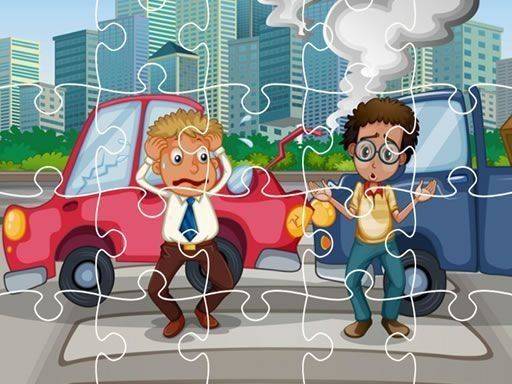
At its heart, this game asks players to reassemble fragmented images of automobiles. Each picture is broken into several movable tiles that appear in a scrambled layout. The objective is to drag each tile into its correct position on a grid, gradually reconstructing the original scene. This process relies on spatial reasoning and attention to detail, as players must match edges, colors, and patterns to find the right fit. The interface provides clear visual cues when a piece locks into place, offering a satisfying sense of progress.
Visual Themes and Variety
The collection includes a range of car images, from classic models to modern designs, set against different backgrounds like city streets or open roads. This variety keeps the experience fresh across multiple play sessions. While the core mechanic remains consistent, the changing subject matter provides a gentle shift in focus, preventing monotony. Players can select images that appeal to their personal taste, making each puzzle feel like a small, self-contained project.
Accessibility and Pace
Designed for a broad audience, the game removes common pressure points found in other puzzle titles. There are no countdown timers, score penalties, or move limits. This structure allows players to work at their own rhythm, whether they have a few spare minutes or prefer longer, uninterrupted sessions. The drag-and-drop controls are optimized for both mouse and touch input, ensuring smooth interaction on desktop computers, tablets, and smartphones.
Building Concentration Through Play
Regular engagement with jigsaw-style puzzles can support cognitive functions such as short-term memory and pattern recognition. By requiring players to hold the target image in mind while searching for matching pieces, the game naturally encourages focused attention. The absence of external pressure makes it particularly suitable for unwinding after a busy day. Many players find the repetitive, methodical process of sorting and placing tiles to be a form of active relaxation.
Getting Started with New Puzzles
Beginning a fresh puzzle is straightforward. After selecting an image from the available gallery, the tiles are automatically randomized. A common strategy is to first locate corner pieces and edge tiles, which form the outer boundary. From there, players can identify distinctive features like headlights, wheels, or grilles to group related sections. Working on small clusters and gradually connecting them reduces the complexity of the overall task.


Comments
Sign in to comment
You must be logged in before posting a review or rating.
No account? Create one
No comments yet. Be the first to comment!